Waterproof footwear can help in wet conditions, but it is not automatically the best everyday option. A protective lining or treatment may reduce water entry, while some designs feel warmer and less breathable than open or highly ventilated shoes. Consider how often you encounter rain, puddles, snow, or damp trails before choosing.
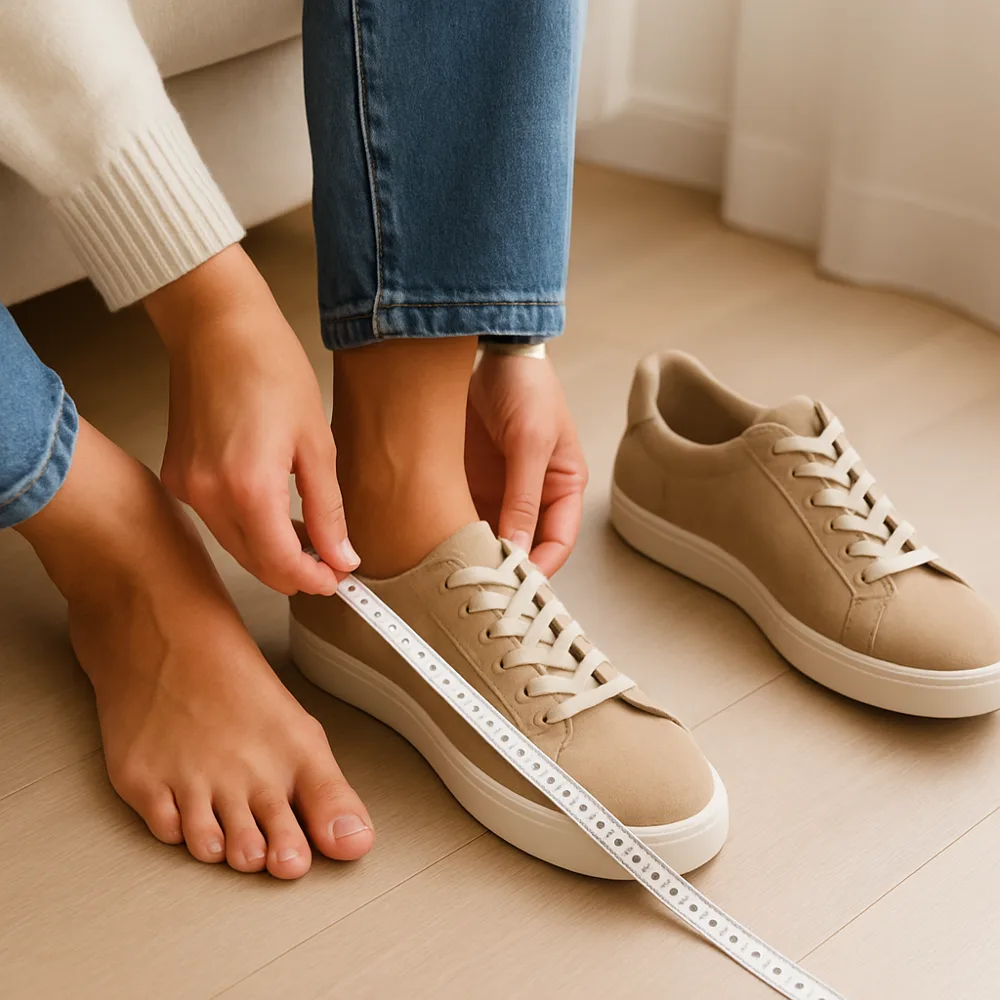
Fit remains important in any weather. Try waterproof shoes with the socks you plan to wear and check for toe space, heel security, and comfortable instep pressure. If the lining makes the shoe feel snug, do not assume it will stretch enough to fix crowding. A slightly roomier design may be more comfortable with thicker socks.
Protection varies with construction. Water can enter through the opening, seams, or areas above the protected section, especially in deep water. A water-resistant finish is not always equivalent to a fully waterproof design. Read material and care information carefully, and think about how the shoes will perform after getting wet.
For occasional light rain, quick-drying footwear may be sufficient. For consistently wet routes, more coverage could be worthwhile. Clean and dry shoes according to their care instructions, away from direct heat. Choose based on your environment and comfort preferences, not on the assumption that more protection is always better.