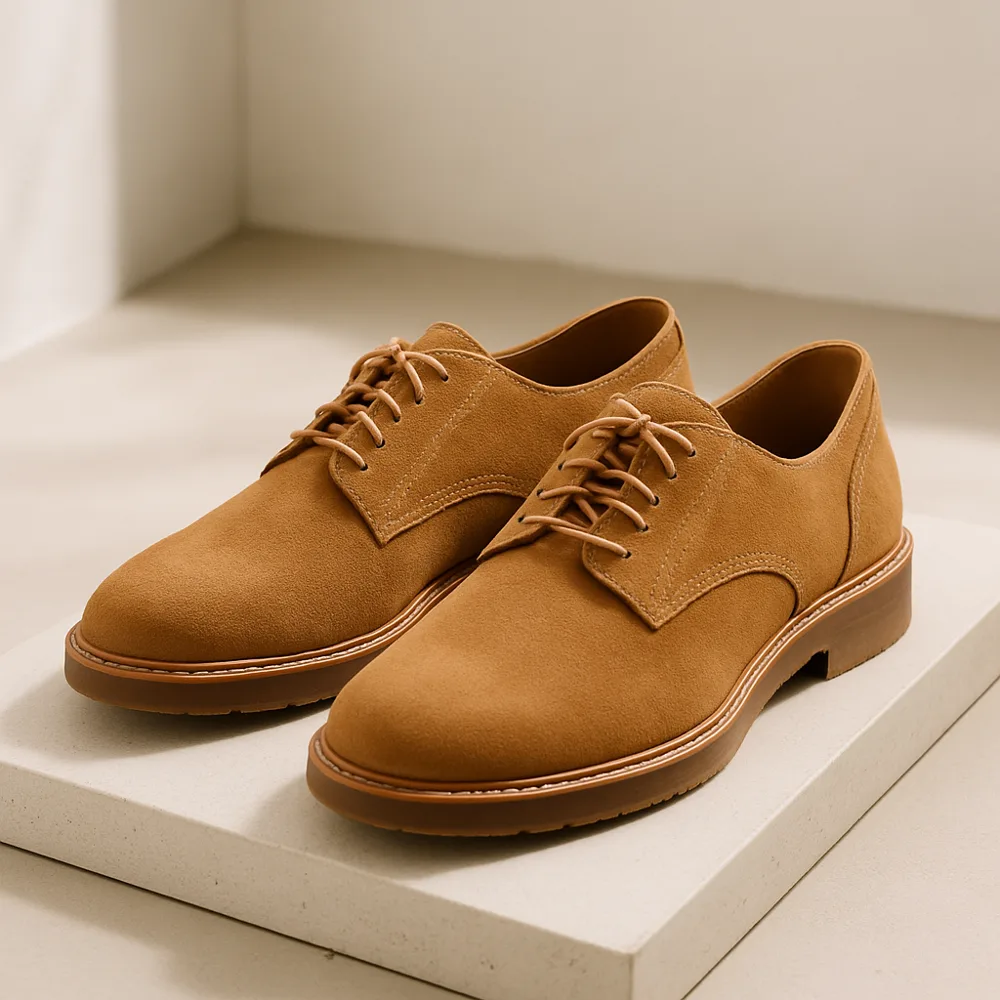
Everyday boots should suit the conditions you face most. Consider whether you need a lightweight pair for city walking, a warmer option for cold weather, or a tougher sole for uneven ground. A tall shaft offers more coverage but may feel restrictive with some outfits or activities. Decide how the boots will fit into your routine before focusing on details.
Try boots with the socks you expect to wear. Check that the heel feels secure, the instep is comfortable, and your toes have space when standing. Laces can help adjust fit, while pull-on styles depend more heavily on the shape of the opening and foot. Walk around and notice whether the shaft rubs your ankle or calf.
Inspect the sole and upper. Look for a tread suited to your usual surfaces and a construction that feels stable underfoot. Weather resistance depends on materials, seams, and care, so do not assume every leather or synthetic boot is waterproof. Ask what maintenance the materials need and check whether the sole can be repaired if that matters to you.
Think about weight and break-in expectations. A heavy boot may feel tiring if you walk all day, and stiff areas should not cause pain. Wear new boots for shorter periods at first and monitor for rubbing. Good everyday boots combine useful features with a fit you can comfortably live in.