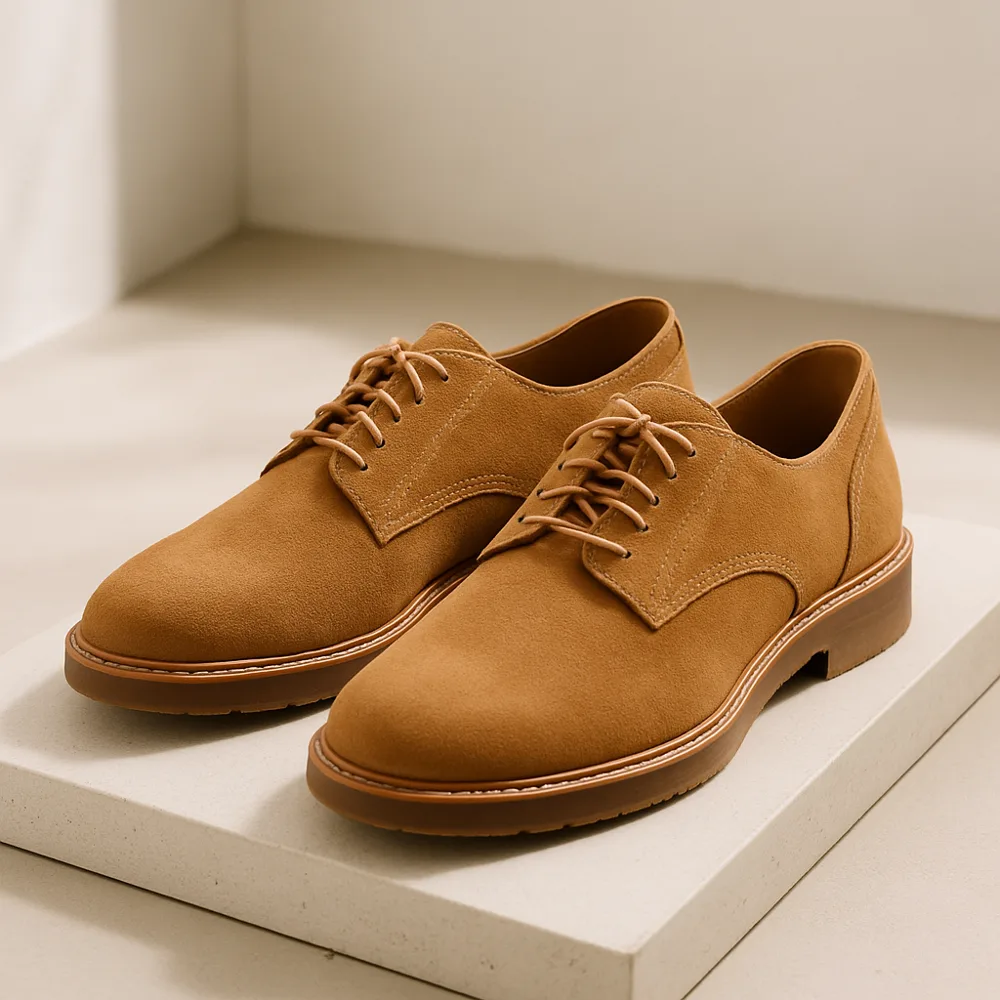
Minimalist shoes often have a flexible sole, a low-profile feel, and less built-in cushioning or structure than traditional footwear. The exact features vary, so check how a particular pair is constructed instead of relying on its label. Try them indoors first and notice how your feet respond to the thinner, more direct feel.
A shoe that feels comfortable for a short walk may feel very different during a long day or run. If you are changing from more structured footwear, increase wear gradually rather than switching all activities at once. Begin with brief, easy sessions and pay attention to unusual soreness or fatigue. Rest if discomfort develops instead of pushing through it.
Check the fit carefully. A roomy toe area should allow natural movement, while the heel and midfoot should remain secure. Flexible shoes still need to suit your foot shape and intended surface. Thin soles may offer less protection from sharp or uneven ground, so choose routes and activities with that in mind.
Minimalist footwear is a preference, not a requirement for healthy movement. It may not suit everyone or every situation. People with foot conditions, recurring pain, or specific medical advice should consult a qualified professional before making a major change. Comfort, gradual adaptation, and appropriate use are more useful than following a trend.